

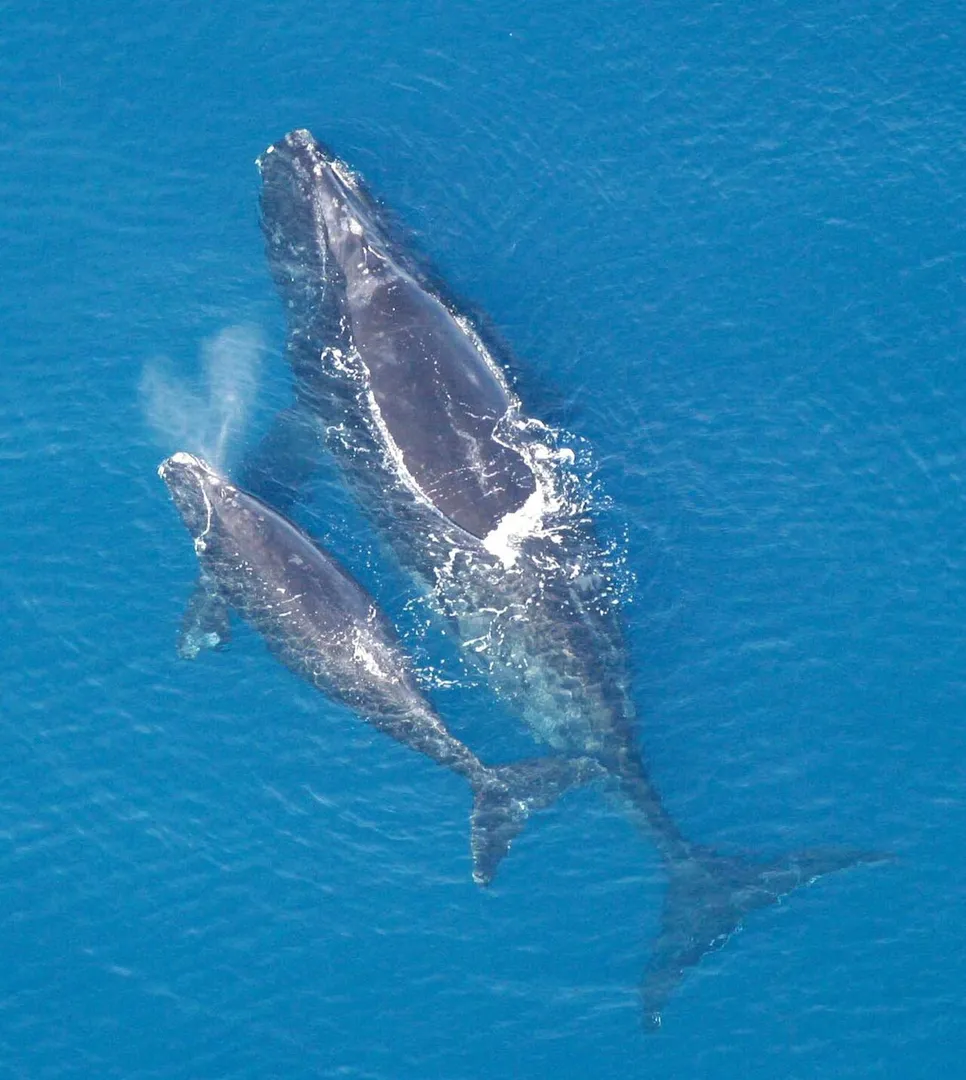
Endangered right whales are migrating toward Georgia's coast to calve
Georgia Wildlife Federation says boaters should slow down and watch for the whales, which can be hard to spot near the surface.
North Atlantic right whales are beginning their annual migration to the Southeast, Georgia Wildlife Federation shared. Each November, these endangered whales return to the warmer waters off Georgia and northern Florida to give birth and care for their calves.
As calving season gets underway, the federation says boaters are encouraged to slow down and watch for whales, which can be difficult to spot near the surface.
From Georgia Wildlife Federation· Instagram · Nov 9
Open the post“North Atlantic right whales (Eubalaena glacialis) are beginning their annual migration to the Southeast. Each November, these endangered whales return to the warmer waters off Georgia and northern Florida to give birth and care for their calves. As calving season gets underway, boaters are encouraged to slow down and watch for whales, which can be difficult to spot near the surface. Photo: NOAA Fisheries”

What you can do
From Georgia Wildlife Federation’s post, turned into news by Collective. Something wrong? Tell us
The social network for social good.
Georgia Wildlife Federation posted, and Collective turned it into this story. Join to get the good news from the organizations around Atlanta, every day.
Sign upFree, and about a minute
More in Wildlife and nature
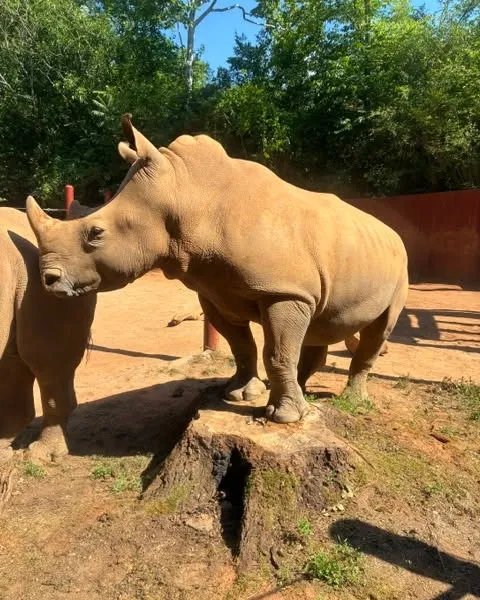
Zoo Atlanta says Zuri, its first rhino calf, has died
The 2-year-old southern white rhino died Nov 6 after severe anemia, despite an emergency blood transfusion from adult female Dakari.

Chattahoochee Nature Center members can earn prize points with PassPlay
A canoe program earns 150 points, a visit to Charles Kelpin's grave earns 100, and a docent-led hike earns 50.

Zoo Atlanta opened the Arthur M. Blank Panda Grove
Pandas Ping Ping and Fu Shuang made their debut in the all-new habitat spaces in Grant Park.

Forest schoolers at Dunwoody Nature Center met Morticia the kingsnake
Eastern kingsnakes are nonvenomous and eat rats, mice and even copperheads and rattlesnakes, thanks to a natural resistance to pit viper venom.


