

 New Disabled South
635 likes
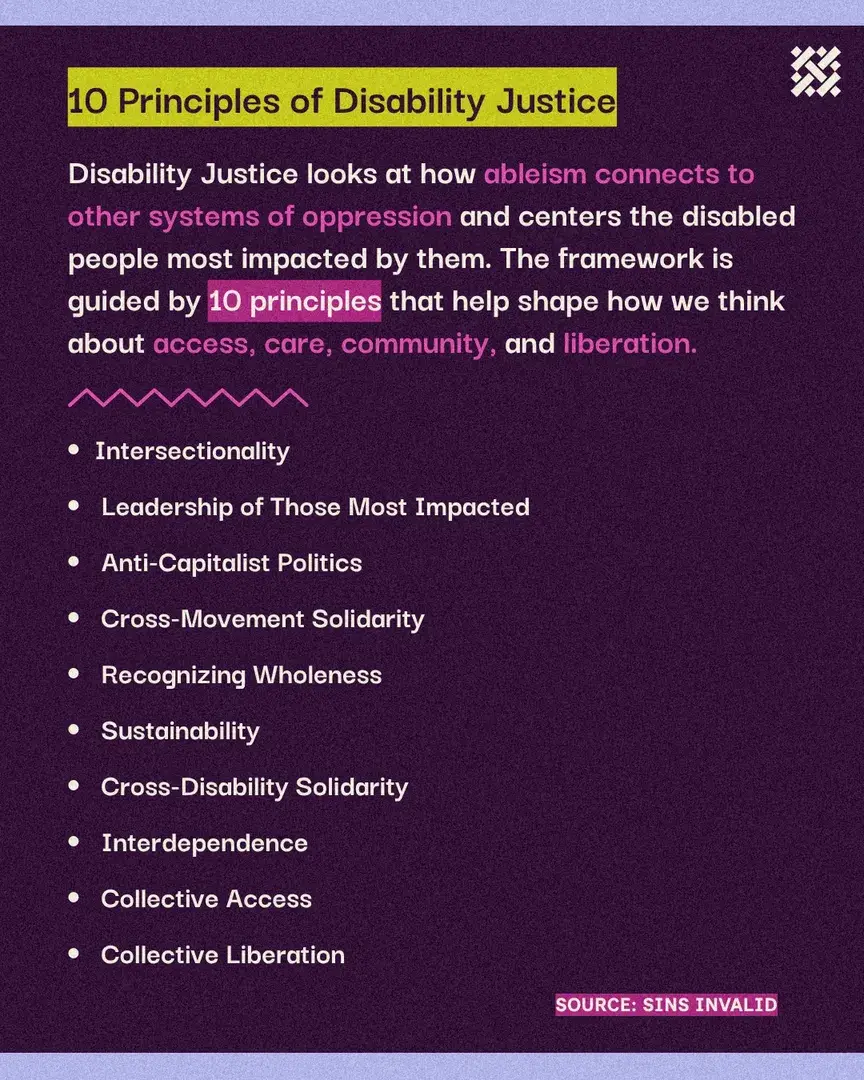
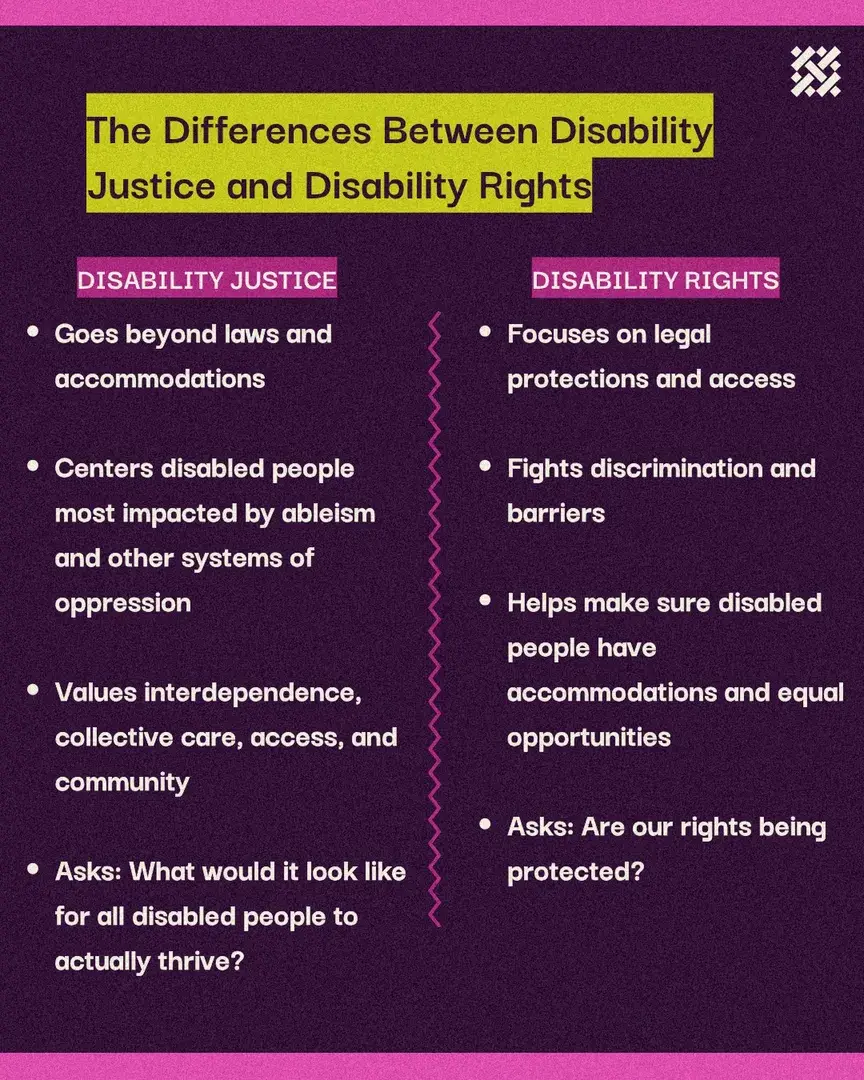
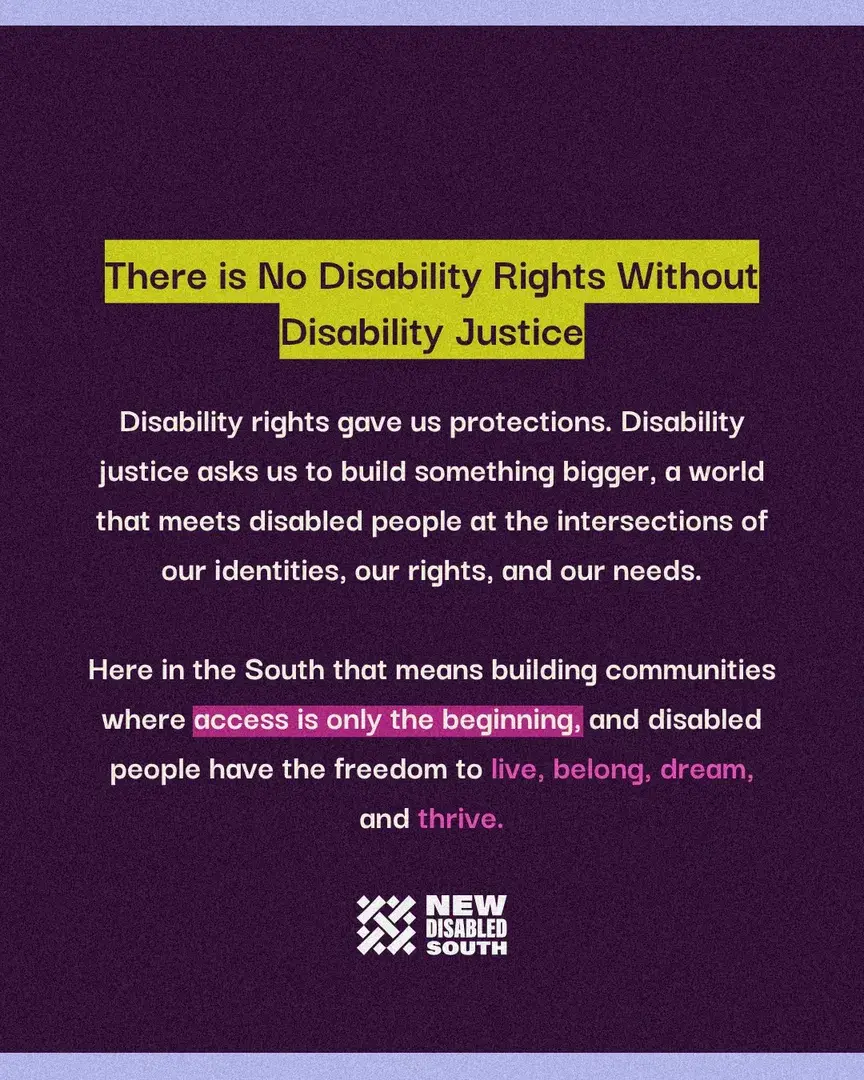
There is no disability rights without disability justice, just as there is no disability justice without disability rights.
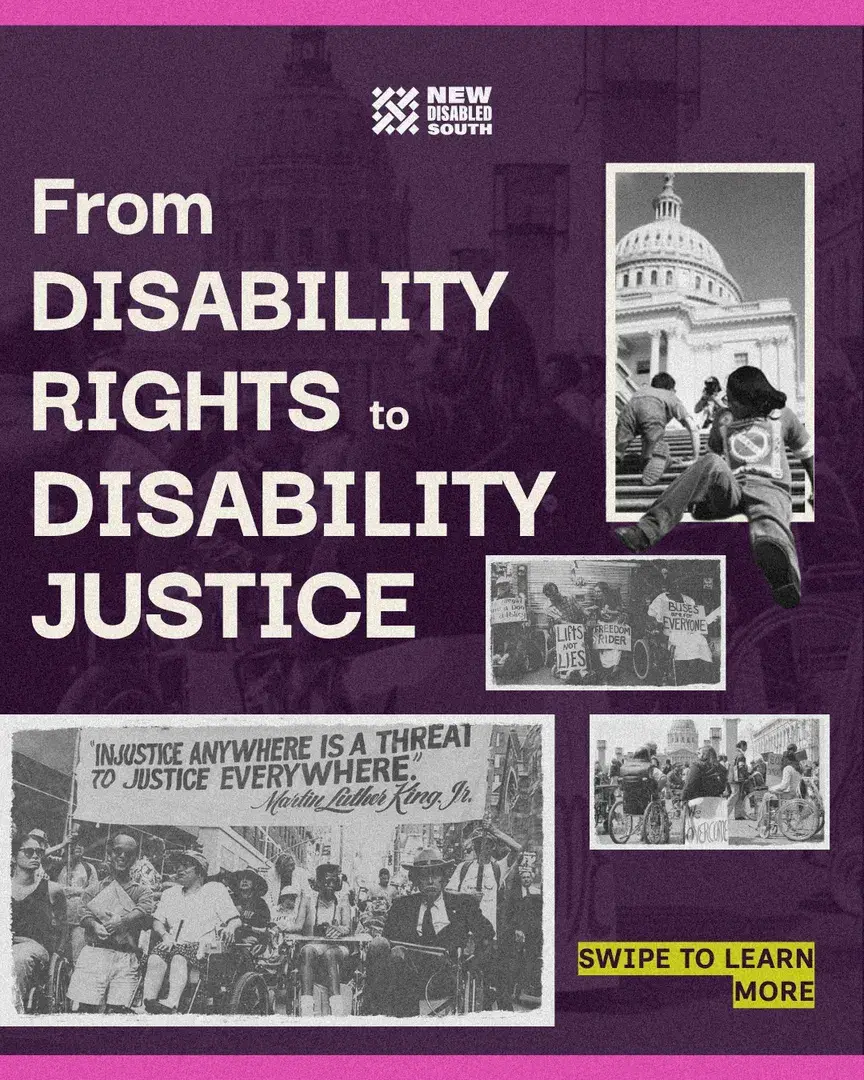
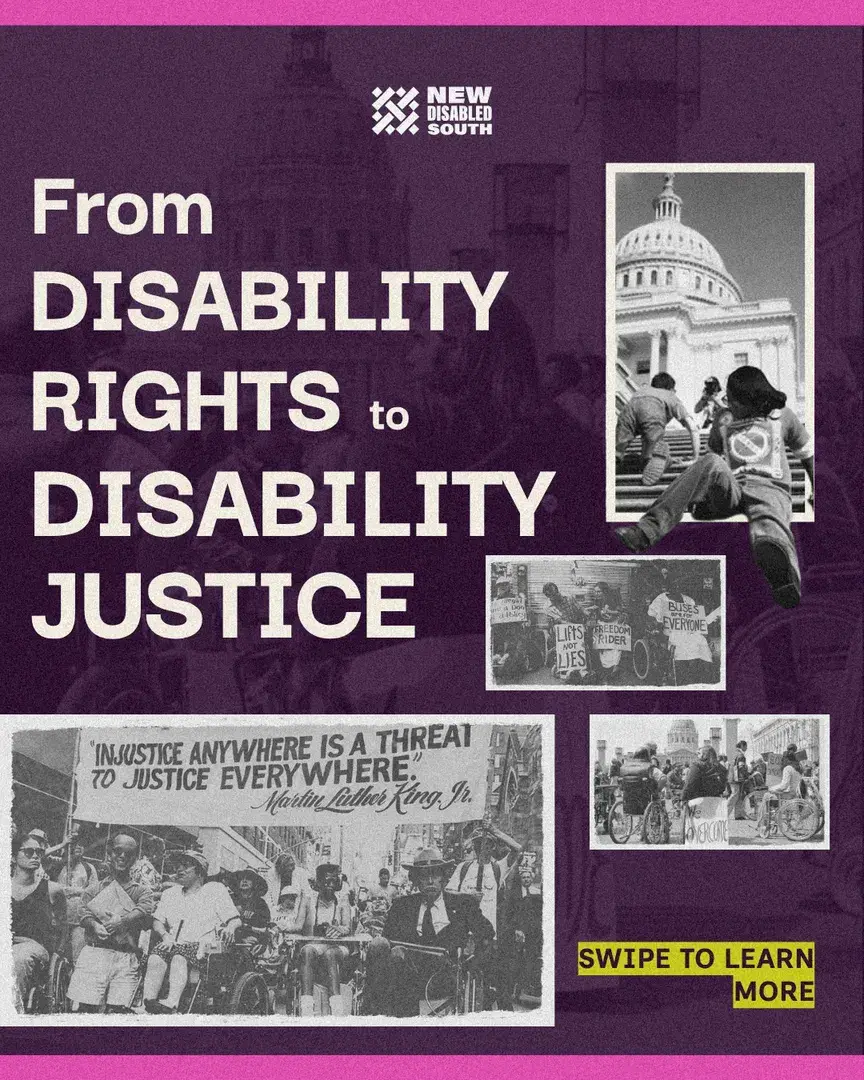
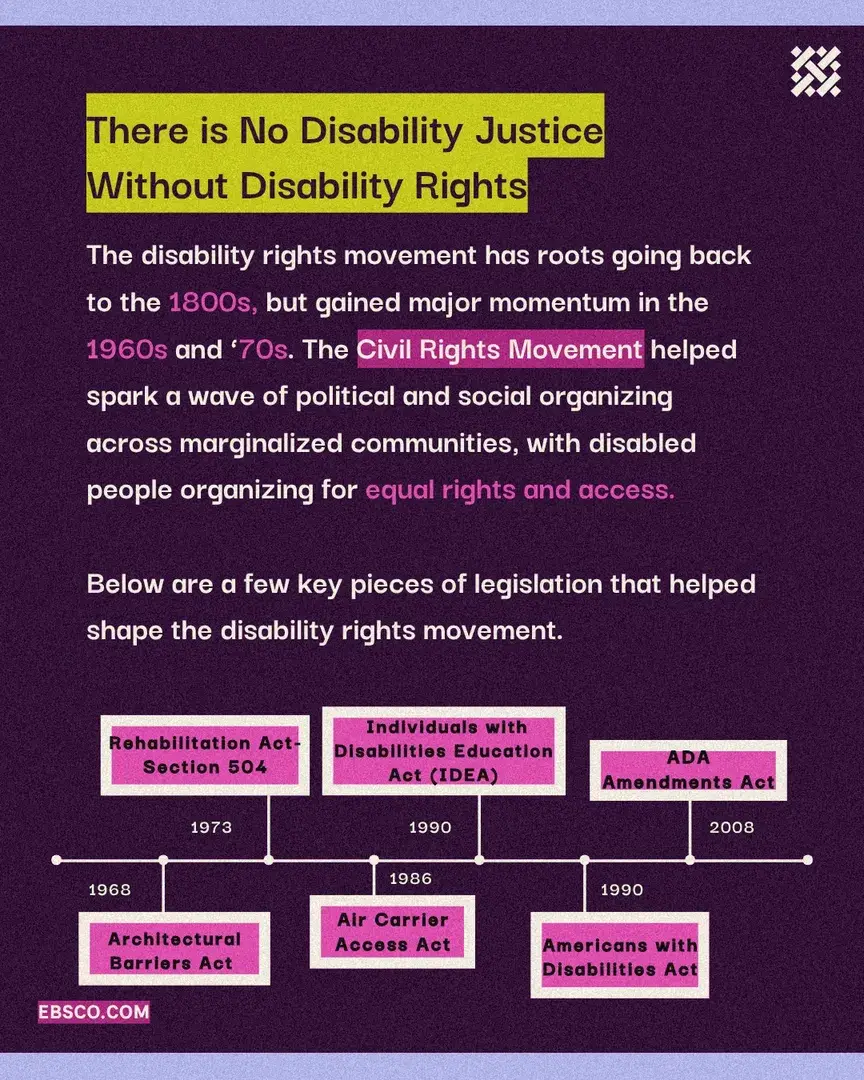
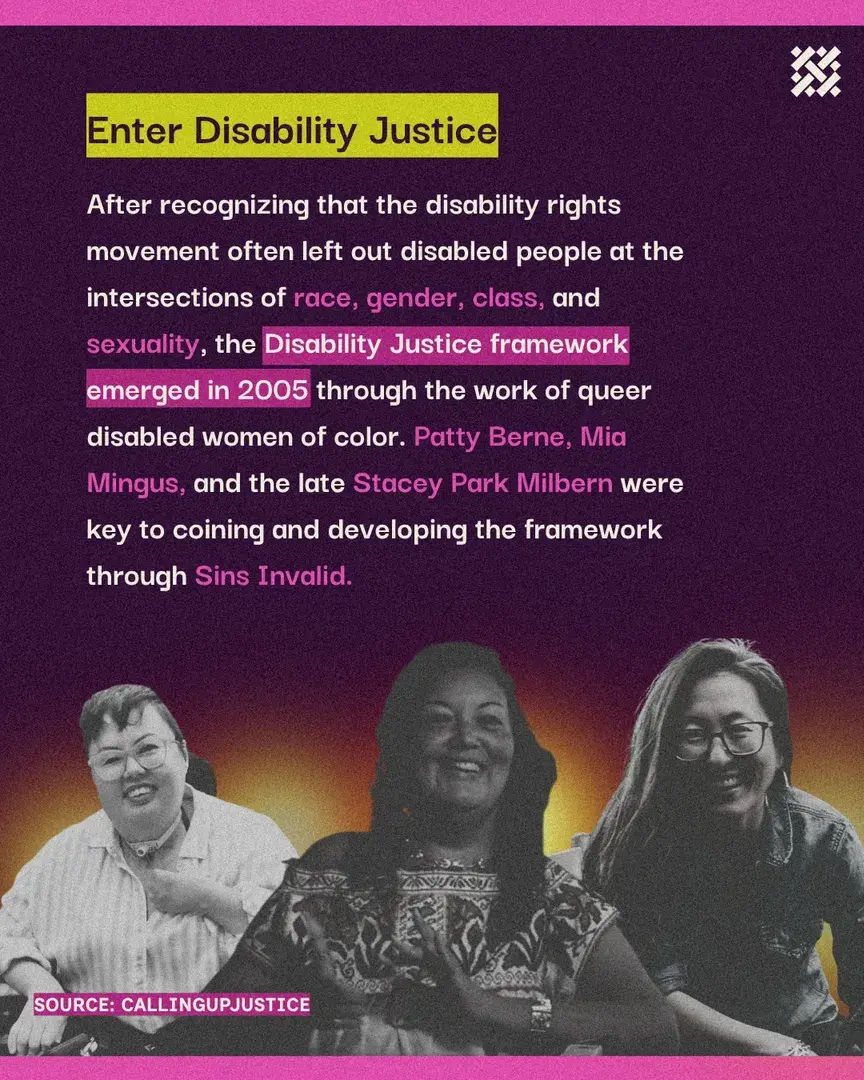
Today, we’re taking a look at the disability rights movement, how it helped lay the groundwork for disability justice, and how its limitations pushed the movement toward a broader, more intersectional framework. We’ll break down some of the differences between disability rights and disability justice, and why we need both in the fight for access, equity, and liberation. ALT Embedded. IDs: S1- A purple graphic with black-and-white photos from disability rights protests and organizing. Text reads: “From Disability Rights to Disability Justice.” A small line reads: “Swipe to learn more.” The New Disabled South logo is near the top center. S2- The same purple and pink graphic theme carries across the remaining slides. Text reads: “There is No Disability Justice Without Disability Rights.” Below: “The disability rights movement has roots going back to the 1800s, but gained major momentum in the 1960s and ‘70s. The Civil Rights Movement helped spark a wave of political and social organizing across marginalized communities, with disabled people organizing for equal rights and access.” Below that: “Below are a few key pieces of legislation that helped shape the disability rights movement.” A timeline includes: “1968 Architectural Barriers Act,” “1973 Rehabilitation Act-Section 504,” “1986 Air Carrier Access Act,” “1990 Individuals with Disabilities Education Act (IDEA),” “1990 Americans with Disabilities Act,” and “2008 ADA Amendments Act.” Source: EBSCO.com. S3- Text reads: “Enter Disability Justice.” Below: “After recognizing that the disability rights movement often left out disabled people at the intersections of race, gender, class, and sexuality, the Disability Justice framework emerged in 2005 through the work of queer disabled women of color. Patty Berne, Mia Mingus, and the late Stacey Park Milbern were key to coining and developing the framework through Sins Invalid.” An image of Stacey, Patty, and Mia is shown at the bottom. Source: Calling Up Justice. Descriptions continued in comments. Polls are open.Nov 326 likes
 Class is in session!Sep 17203 likes
 Disability justice belongs everywhere, especially at school.Sep 10118 likes
 The Disability Justice movement has continued to grow and thrive over the years—and we…Sep 1483 likes
 Disaster response is disability justice.Aug 30558 likes
 It’s Women’s Equality Day!Aug 26271 likes
 July may be over, but Disability Pride never ends!Aug 2475 likes
 Disability Pride Month may be over, but the need for accessible, quality…Aug 17944 likes
 It's not just August —it's Black August.Aug 10
 As a disabled southerner, I want people to know.Jul 31404 likes
 Happy Disability Pride Month!Jul 28198 likes
 Happy Disability Pride Month!Jul 1
 We want to thank our friends at Play Spark (@play_spark) for highlighting NDS during…Aug 12170 likes
 Access is on the ballot.Oct 30155 likes
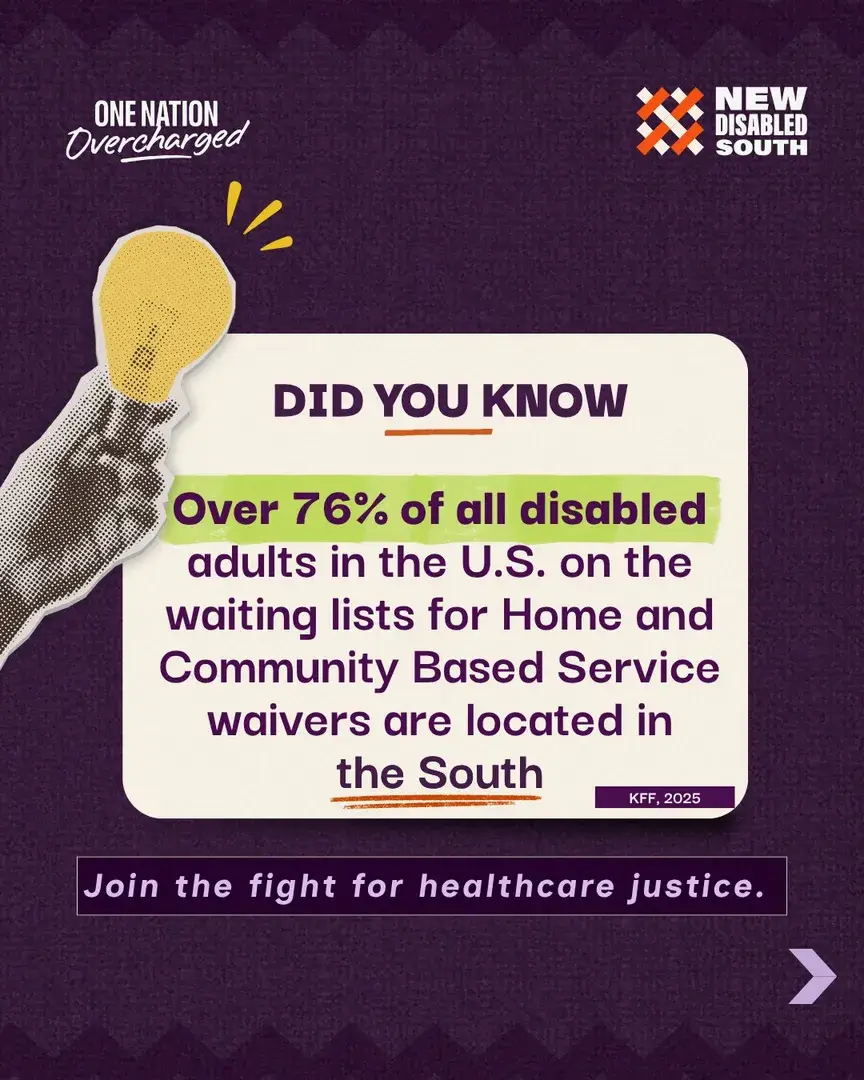 Disabled people belong in their communities, NOT on waiting lists.Oct 1127 likes
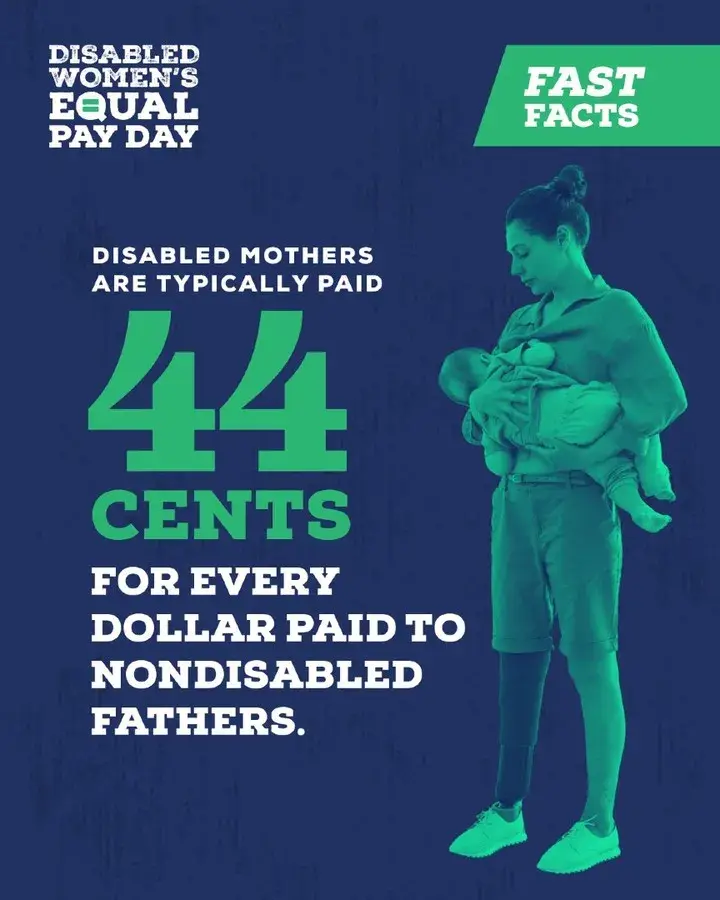 It’s Disabled Women’s Equal Pay Day!Oct 20122 likes
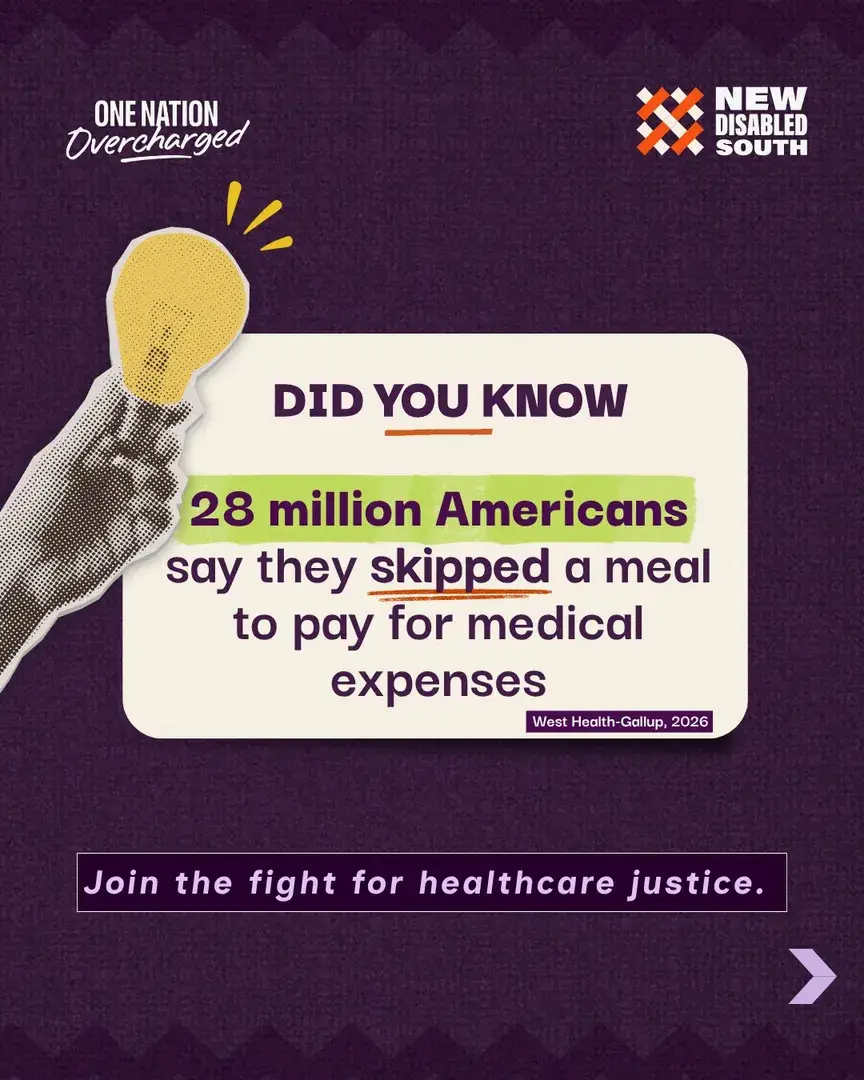 No one should have to choose between skipping meals or paying for medical expenses.Sep 2485 likes
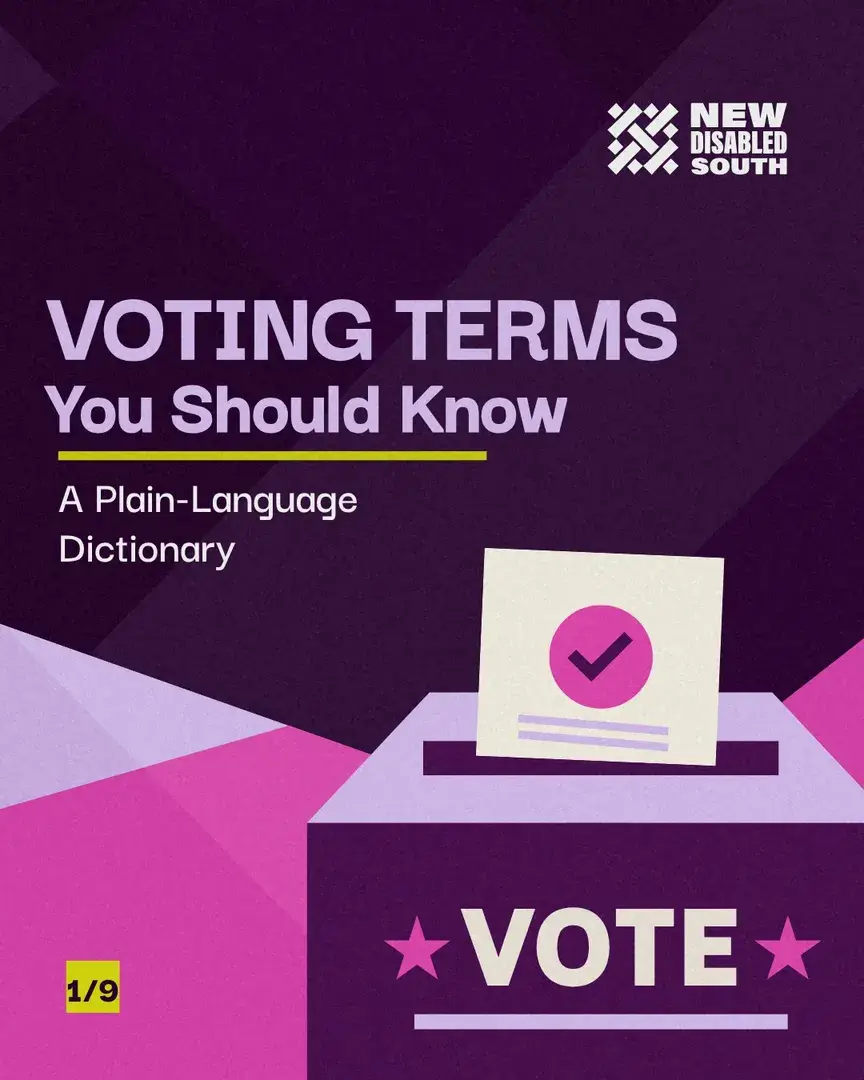 Election season is coming up!Sep 2275 likes
 Today is the last day to join Atlanta People’s Campaign, Barred Business…Aug 1458 likes
 We got to catch up with Loren and AJ to get their perspective on Collective Liberation.Jun 2848 likes
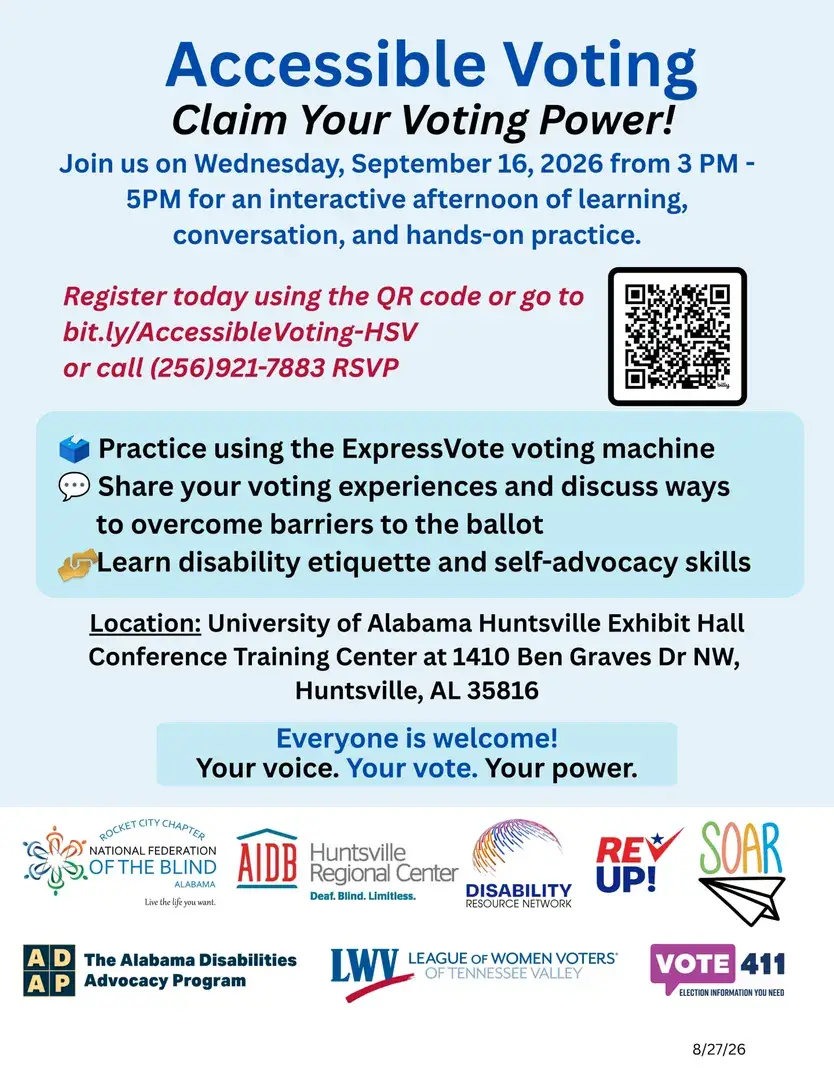 Alabama— it's time to claim your voting power!💥🗳️ On Wednesday, September 16…Sep 1444 likes
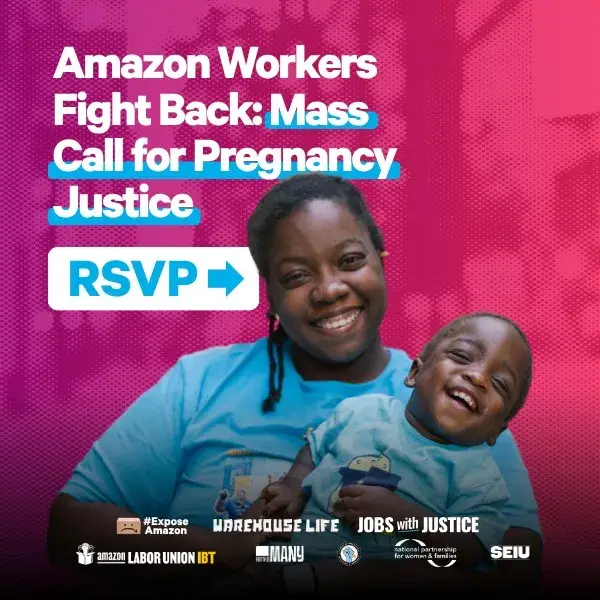 October is Pregnancy and Infant Loss Awareness Month — and this year…Oct 1535 likes
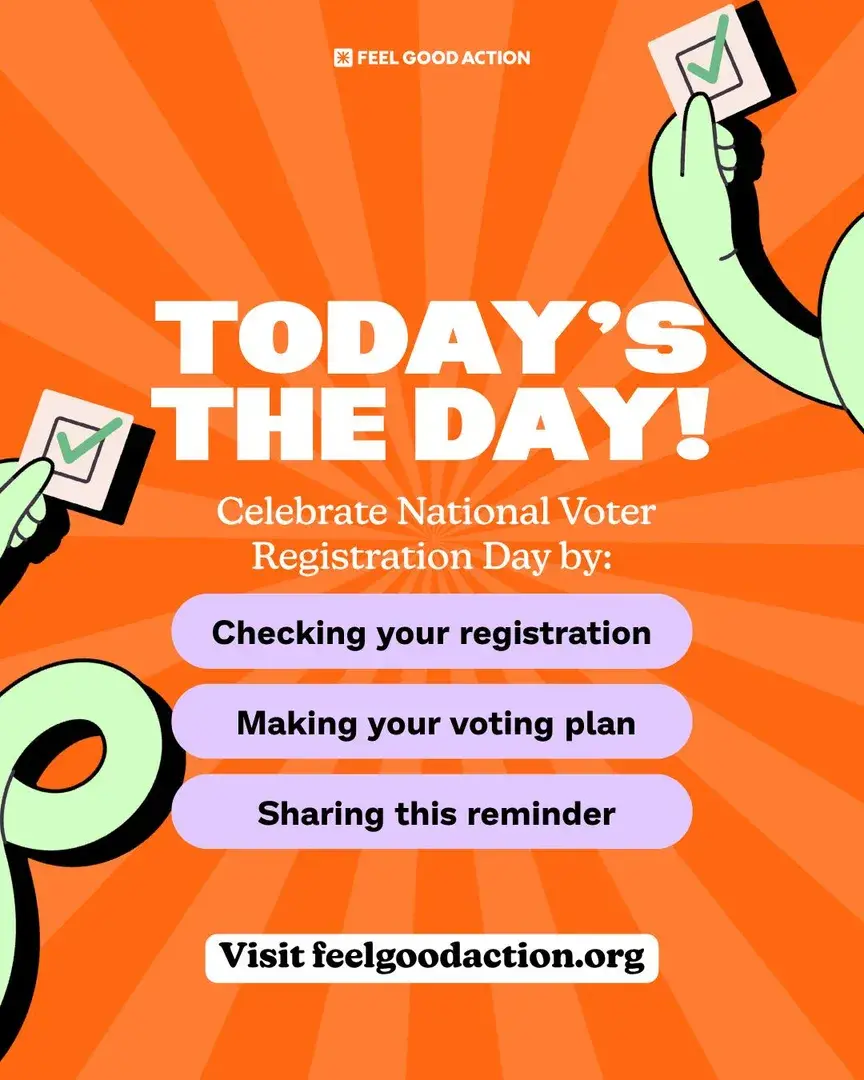 The South’s got something to say, and we're saying it on National Voter Registration Day!Sep 1522 likes
 Happening today!Jul 3012 likes