

 Making a Way Housing
H-I-P (HIV Intervention and Prevention)
H-I-P is an HIV/AIDS awareness and prevention program that targets at-risk populations in Fulton and DeKalb Counties, those who are at risk for the disease and those who have the disease.
Individuals at risk for HIV/AIDS and those who have the disease in Fulton and DeKalb Counties; heterosexual African American women in DeKalb and Fulton Counties · Monday – Saturday, Morning, Afternoon or Evening
From makingawayhousing.org/programs ↗About this program
Given the high prevalence of existing HIV/AIDS cases, education and prevention activities are paramount to preventing new cases and helping individuals with the disease learn how to manage and stay healthy. MAWH has been working with the HIV/AIDS infected population for over 15 years and has amassed a network of professionals and volunteers to aid in the effort.
H-I-P has integrated a special curriculum component for heterosexual African American women residing in DeKalb and Fulton Counties, Sisters Informing Sisters on Topics about AIDS (SISTA). SISTA is an evidenced-based curriculum aimed at reducing HIV sexual risk behavior.
A second major component of the H-I-P program is the Street Team. The Street Team is a group of volunteers and staff who patrol on foot and by car through high risk neighborhoods sharing information about available testing and counseling services. The Street Team targets areas where individuals have a low probability of being tested under normal circumstances. The primary objective of the team is to identify and provide early intervention for persons who are at risk of becoming infected or who have become infected. Those who test positive for HIV/AIDS are connected with appropriate medical services, serving as a gateway for education and treatment.
Details
- Who
- Individuals at risk for HIV/AIDS and those who have the disease in Fulton and DeKalb Counties; heterosexual African American women in DeKalb and Fulton Counties
- When
- Monday – Saturday, Morning, Afternoon or Evening
- Where
- 377 Westchester Blvd, Atlanta, Georgia 30314
Run by
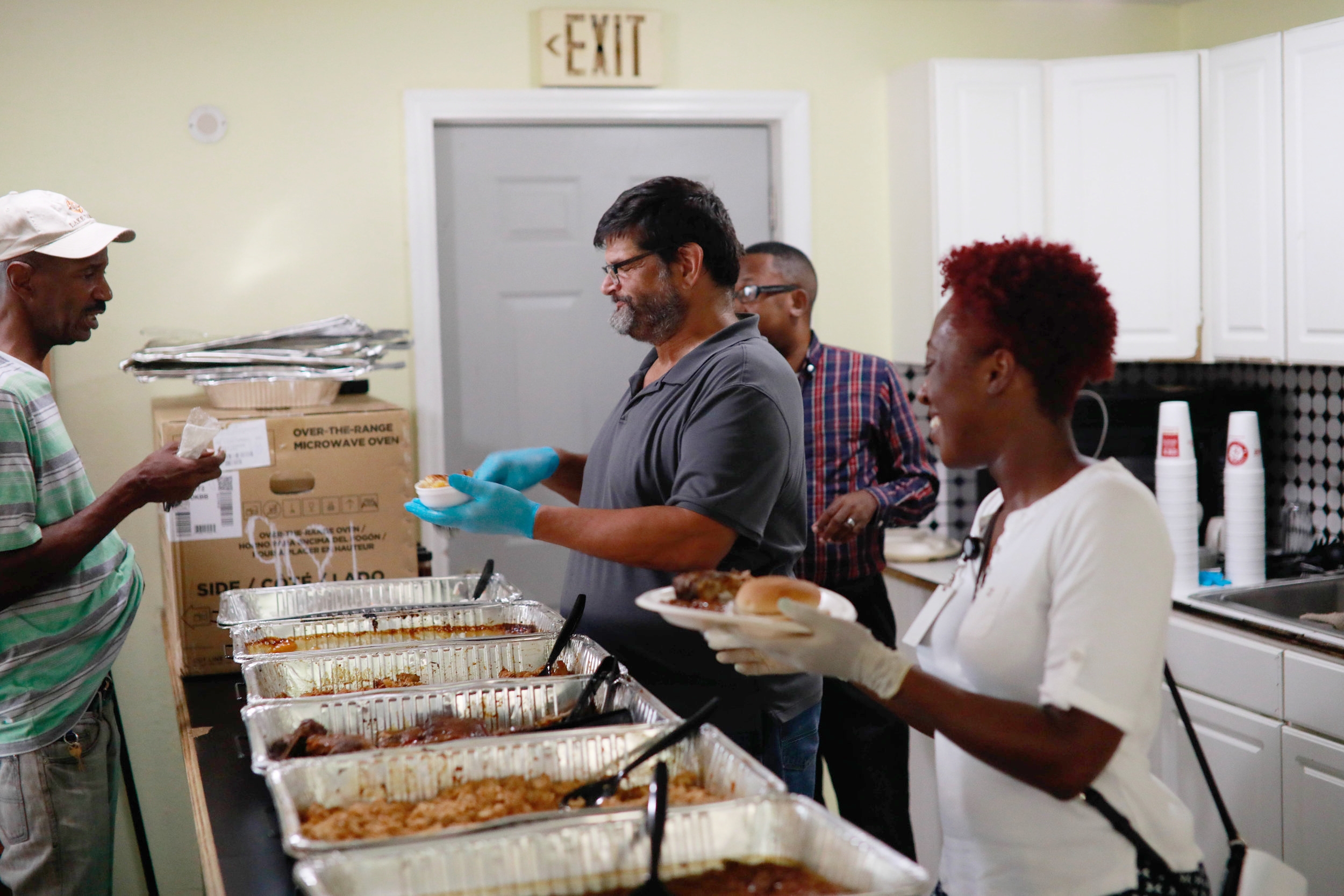 HousingOur Emergency shelter provides homeless persons with basic shelter and essential supportive services.Case managementOur case management links consumers with health and social service, coordinating the access to medical treatment and support services, and assurances of continuity of care.
 Health Education/Risk ReductionCampaigns have included trainings, workshops, consultations, outreach and development of materials in order to offer new, non-formal educational approaches tailored to communities cultural realities.