

 Georgia Interfaith Power and Light
ReWilding
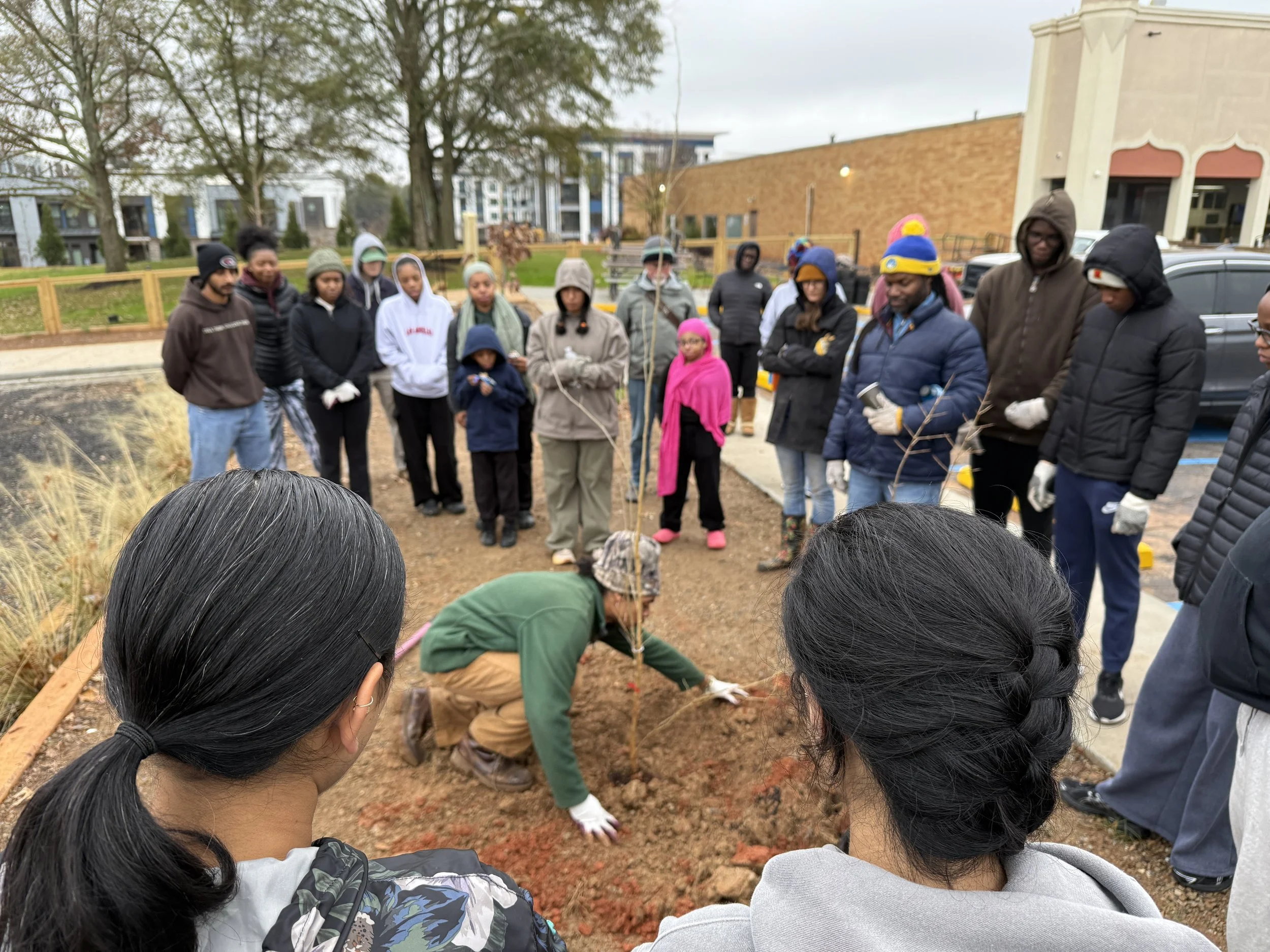
We have also recently expanded our ReWilding program to assist congregations in building community gardens, removing invasive species, planting trees, native plants, and more.
Congregations and faith communities · Tree plantings typically take place in the fall and early spring. Volunteer tree planting dates: Saturday, Nov. 7, 2026; Saturday, Nov. 14, 2026; Saturday, Nov.
From gipl.org/rewilding ↗About this program
Georgia Interfaith Power and Light's ReWilding program focuses on the ecological regeneration of congregational lands, restoring natural processes, and fostering more resilient ecosystems and communities.
Sustainable land use stands as a pivotal, and often overlooked, climate solution. Conserving forests and natural habitats, managing food production and consumption, and improving land use can help mitigate the worst impacts associated with rising temperatures and climate change.
Incorporating native plants and pollinator gardens on congregational grounds is a powerful way for faith communities to support local ecosystems and build climate resilience. GIPL works with congregations who are interested in incorporating these practices into their land use plans. We partner with local organizations to provide land assessments and sustainable landscaping plans. We then consult with congregations on implementation, including invasive species removal, designing and planting gardens, and seeking certifications for pollinator and native plant habitats.
In partnership with Trees Atlanta, Food Well Alliance, and local congregations throughout the state, GIPL is working to distribute and plant over 1,500 trees over the next three years in neighborhoods that currently lack adequate tree canopy. Trees are crucial for advancing public health by fighting urban heat, sequestering carbon, and improving air quality.
Through this initiative, we will plant trees on-site on congregational properties and in other public community spaces located in underforested areas. We will also host tree giveaway events where we will distribute trees to community members to plant at home.
Congregations may apply for matching grant funds of up to $1,500 to support a ReWilding project of their choosing. Grants will be awarded to implement projects that support the ecological regeneration of congregational lands, restore habitats and biodiversity, and foster more resilient ecosystems and communities. Projects may include pollinator gardens, meadow installations, bird sanctuaries, community gardens, tree plantings, food forests, rain gardens, or rain catchment systems.
Questions
Who should participate in this program?
Congregations who are interested in participating in this program should contact GIPL's ReWilding Program Coordinator, Heather Franklin, at heather@gipl.org.
How do I get trees planted on my congregation's property?
If you're interested in planting trees on your congregation's property or hosting a tree giveaway event, please fill out the form below. Once submitted, our team will assess your congregation's eligibility based on location.
How much can congregations receive in matching grant funds?
Congregations may apply for matching grant funds of up to $1,500 to support a ReWilding project of their choosing.
Details
- Who
- Congregations and faith communities
- When
- Tree plantings typically take place in the fall and early spring. Volunteer tree planting dates: Saturday, Nov. 7, 2026; Saturday, Nov. 14, 2026; Saturday, Nov.
Run by
 Green TeamsA Green Team is a group of three or more passionate individuals dedicated to advancing sustainability and environmental action in a community of faith.
 Power-WiseThe fee to enroll in Power-Wise ranges from $300-$1000 and is based on a congregation's budget.offering Power-Wise and Solar-Wise assessments to help faith communities lower their carbon footprints
 Solar-Wise$500 enrollment feeoffering Power-Wise and Solar-Wise assessments to help faith communities lower their carbon footprints