


 For Opportunity
School Choice in Georgia
Your child deserves to thrive.
Families in Georgia choosing school options for their children
From foropportunity.org/community-programs/school-choice-in-georgia ↗About this program
Georgia's school choice opportunities can help.
If your child isn't getting the attention, support, or learning environment they need, you're not alone—and you may have more options than you realize. Whether you're just starting to explore or ready to make a change, we're here to help you understand school choice in Georgia and make the best decision for your child.
Thousands of Georgia families look into new school options each year because they want their children to feel supported and excited to learn.
Parents can choose from public schools, charter schools, private schools, and homeschooling. Georgia offers several scholarship programs to help families cover the costs of some of these options.
Georgia offers several scholarship and transfer programs to help families access the education that best fits their child's needs.
Questions
Can I Switch Schools Mid-Year?
It depends on your school and district. Some options allow mid-year transfers, while others follow traditional enrollment periods. Contact each school's office to learn if mid-year transfers are possible.
Can you transfer to a public school outside your zone in Georgia?
Families in Georgia may be able to transfer their child to another public school within their local district if space is available. Georgia does not currently allow public school transfers outside a student's assigned district. Parents must apply through their local school system.
Are charter schools free in Georgia?
Yes. Charter schools in Georgia are public schools, so they are tuition-free for families. They may offer different teaching models, school cultures, or academic focuses than traditional public schools.
Does Georgia offer state-funded scholarships for private school?
Yes. Georgia offers scholarship programs that may help eligible families pay for private school or other approved education expenses. These can include tax credit scholarships, special needs scholarships, and the Georgia Promise Scholarship.
What does homeschooling require in Georgia?
To homeschool in Georgia, parents must file a Declaration of Intent, provide at least 180 days of instruction, teach five required subjects, and have students complete standardized testing every three years beginning after third grade.
Details
- Who
- Families in Georgia choosing school options for their children
Run by
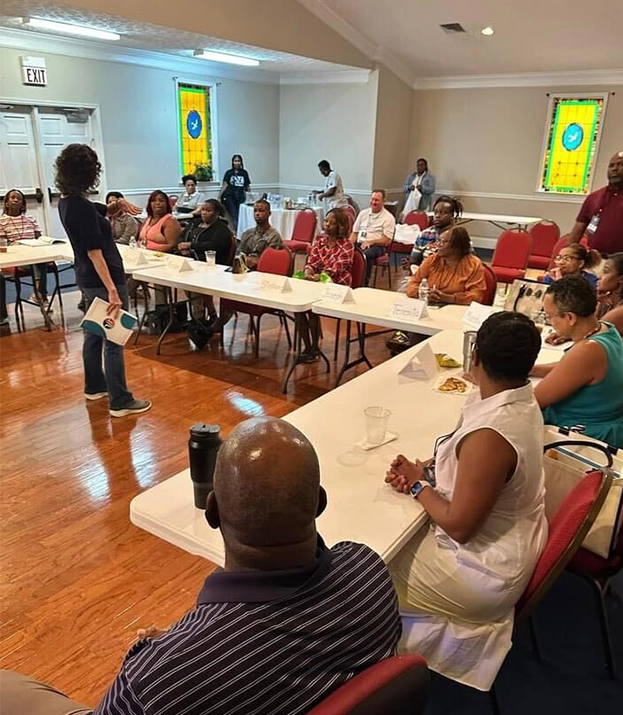 BETTER WORKNo Cost to ParticipateBETTER WORK is a community-focused, partnership-based program that helps the chronically unemployed and underemployed find local opportunities for family-sustaining work.
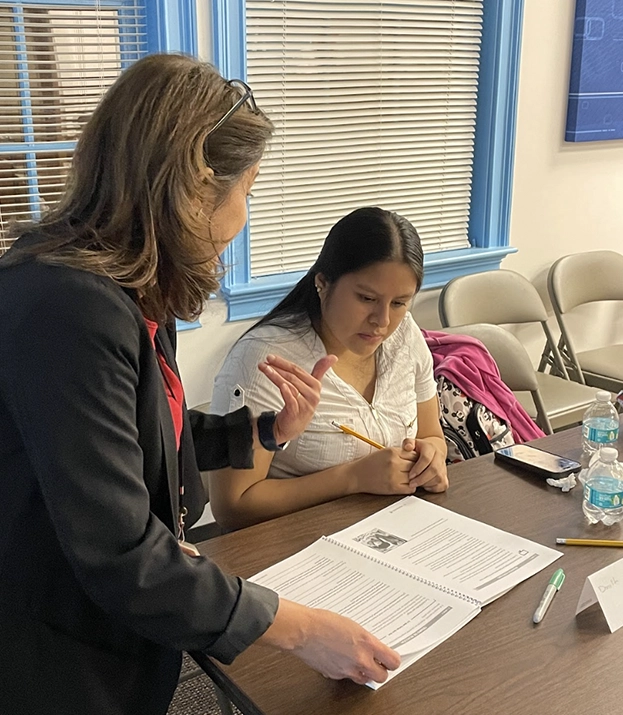 Raising Highly Capable KidsFreeRHCK is a 10-week workshop that empowers parents to teach their children the habits, relational skills, and sense of responsibility that lead to bright, self-sufficient futures. We partner with Title 1 schools, churches, and nonprofit organizations to reach parents most in need.