
 Chattahoochee Riverkeeper
Floating Classroom
The Floating Classroom is an on-the-water environmental education program that teaches science, ecology, history, and math in accordance with STEM goals and state education performance standards.
Students, teachers, and adults; financially disadvantaged students and underserved youth
From chattahoochee.org/our-work/floating-classroom ↗About this program
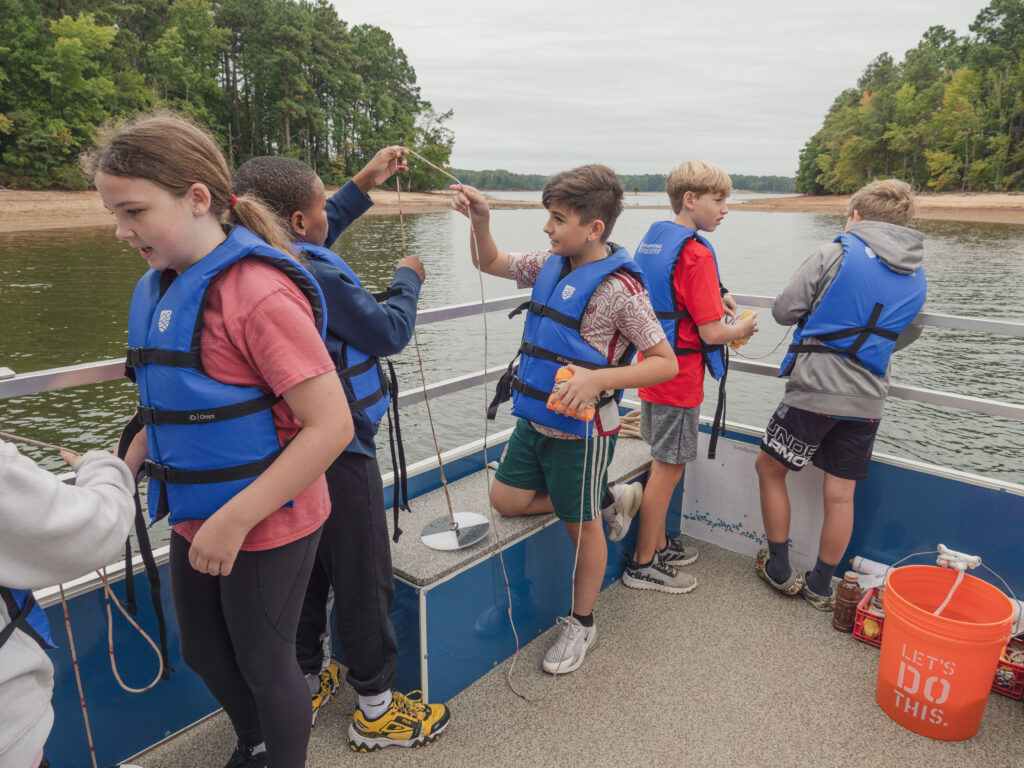
Chattahoochee Riverkeeper offers two “floating classrooms,” one on Lake Lanier and another on West Point Lake.
Together, these acclaimed environmental-education venues have successfully delivered unique and exceptional learning opportunities to more than 100,000 students, teachers, and adults.
Through these water-based learning centers, students engage in a variety of hands-on activities that incorporate STEM subjects (Science, Technology, Engineering and Math), and which are tied to age-appropriate Georgia Standards for Excellence and the Alabama Learning Exchange.
Water quality testing, identification of freshwater plankton and wildlife, how lake water ends up flowing from faucets in homes and schools, ways they can protect these precious water resources, supplemental land-based watershed activities, and lake history lessons.
Program scholarship awards make it possible for thousands of financially disadvantaged students—from Title I schools and after-school and summer programs—to participate.
The Lake Lanier Aquatic Learning Center (LLALC), a partnership by CRK, Elachee Nature Science Center, and Hall Co. Parks and Leisure, is operated out of Hall County’s River Forks Park in Gainesville. The learning center resides aboard the Chota Princess II, a 40-foot custom-built catamaran—which boasts a glass-bottom viewing well and a capacity of up to 49 passengers.
The West Point Lake Floating Classroom (WPLFC) program takes place aboard the Miss Sally – a 42-foot vessel certified to carry up to 44 passengers – and serves communities throughout West Georgia and East Alabama. Since launching the program in 2015, more than 30,000 students, teachers, and adults have participated in the program.
A key focus of the WPLFC program is to serve those who may not otherwise have the means to experience the program. Because of the generous support from public and private donors, we have provided more than 23,000 full scholarships to students in financial need and underserved youth participants of civic organizations.
Questions
What do they learn?
Water quality testing; Identification of freshwater plankton and wildlife; How lake water ends up flowing from faucets in homes and schools; Ways they can protect these precious water resources; Supplemental land-based watershed activities, and…; Lake history lessons
What is Opening Doors?
Program scholarship awards make it possible for thousands of financially disadvantaged students—from Title I schools and after-school and summer programs—to participate.
Details
- Who
- Students, teachers, and adults; financially disadvantaged students and underserved youth
- Where
- Lake Lanier (River Forks Park, Gainesville) and West Point Lake
Run by
 Water Warriors on Campus & on Summer BreakWater Warriors on Campus equips high school and college students to engage their peers on the importance of water conservation and Chattahoochee Riverkeeper’s mission.
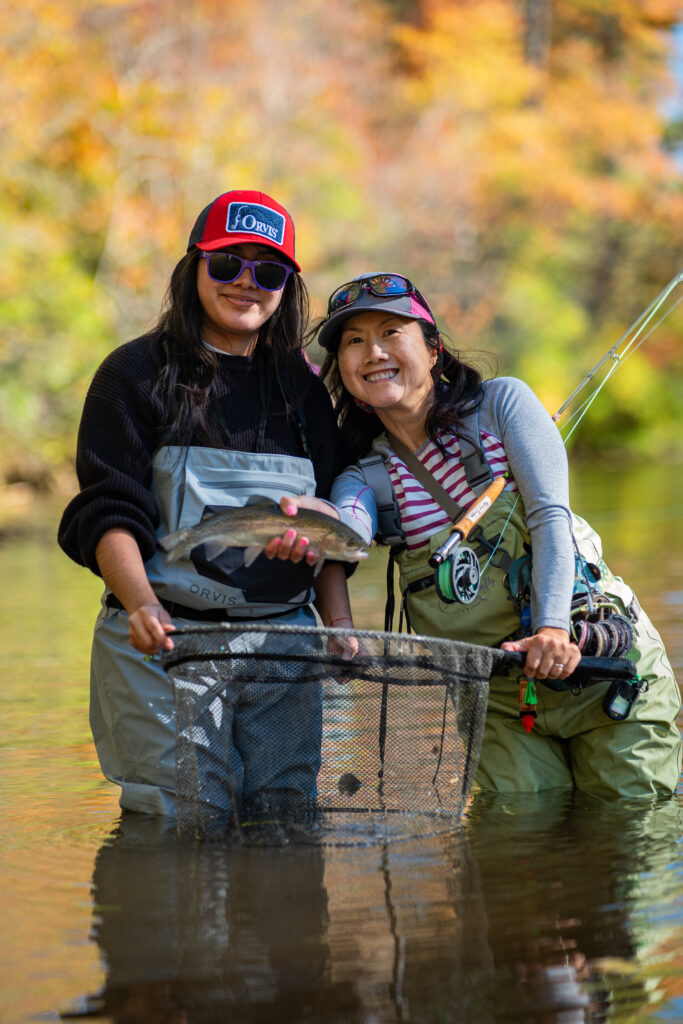 Becca Sue Klein All Kids FishThe annual Becca Sue Klein All Kids Fish events inspire the next generation of fly anglers and conservationists through three full-day fly fishing retreats.
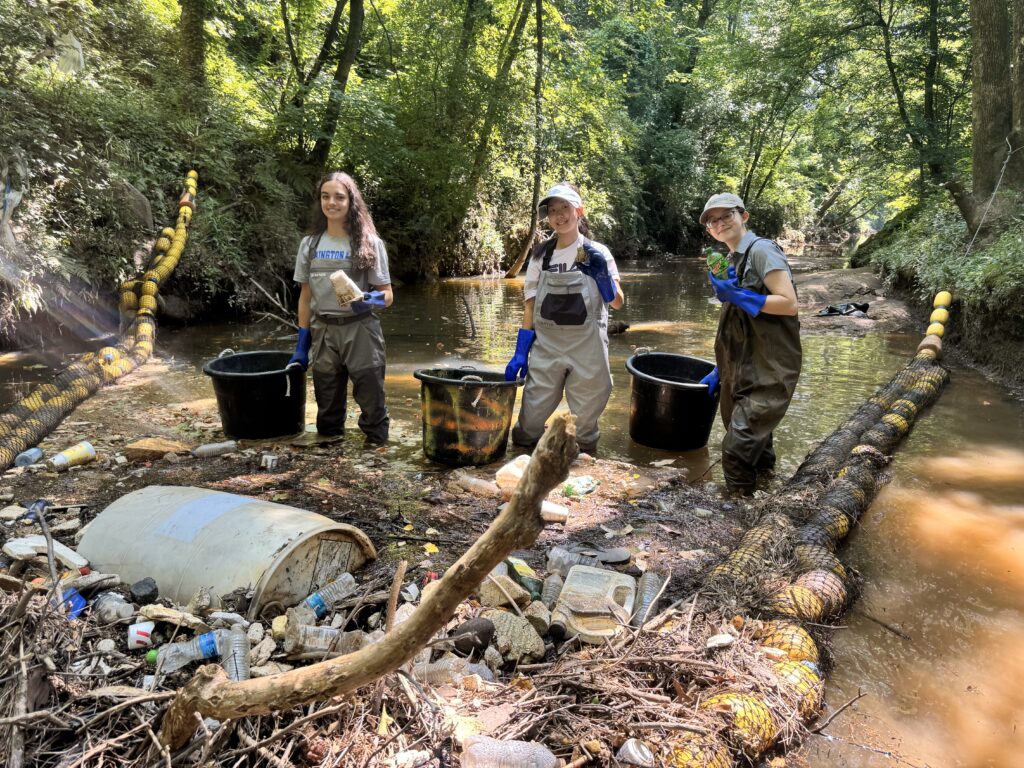
 Volunteer CleanupsFreeVolunteer your time and help work toward a Trash-Free Chattahoochee!