

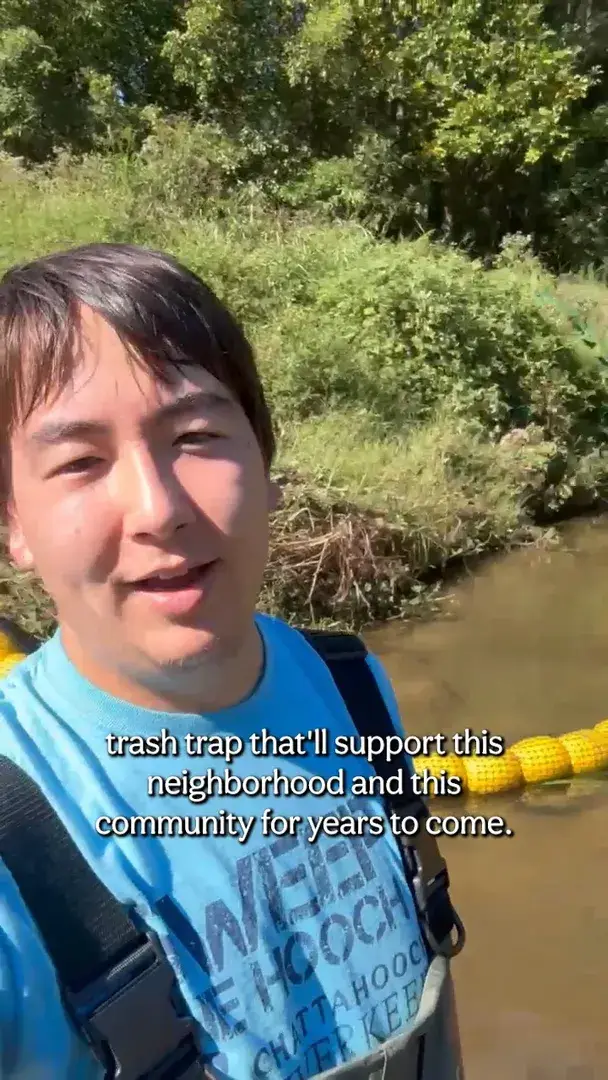
Chattahoochee Riverkeeper installed a new trash trap in South Fulton
The floating trap, anchored to the bank, is built to capture plastic litter flowing from roadways into a tributary of Utoy Creek.
With support from Georgia River Network, Chattahoochee Riverkeeper installed a new trash trap in the City of South Fulton.
The device will capture plastic litter and other pollutants that flow from the roadways into a tributary of Utoy Creek. The trap is anchored to the bank and floats on the water's surface so wildlife can pass under and over it.
From Chattahoochee Riverkeeper· Instagram · Oct 9
Open the post“With support from @georgia_river_network, CRK installed a new trash trap in the City of South Fulton this week! 🗑️ The device will capture plastic litter and other pollutants that flow from the roadways into this tributary of Utoy Creek. It's anchored to the bank and floats on the water's surface to allow wildlife to easily pass under and over. Learn more about our trash trap program at the link in bio!”

What you can do
From Chattahoochee Riverkeeper’s post, turned into news by Collective. Something wrong? Tell us
The social network for social good.
Chattahoochee Riverkeeper posted, and Collective turned it into this story. Join to get the good news from the organizations around Atlanta, every day.
Sign upFree, and about a minute
More in Rivers, parks and trails
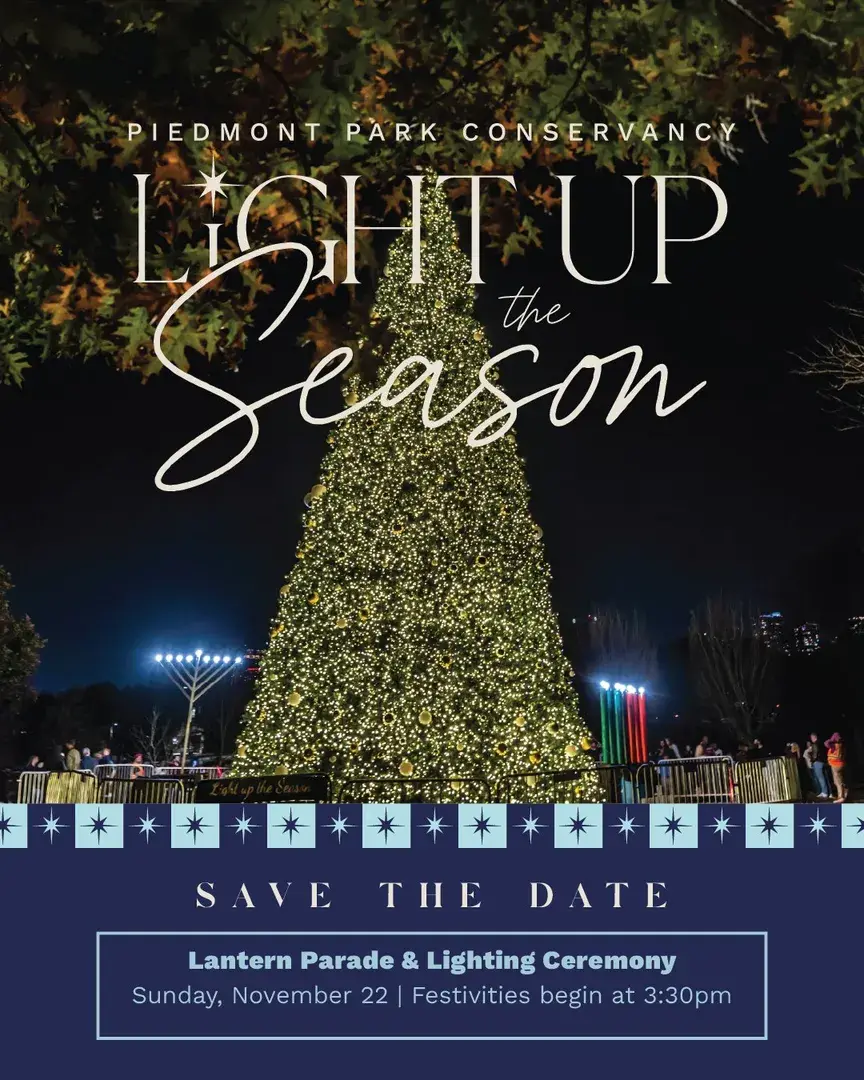
Piedmont Park Conservancy adds a lantern parade to its lighting ceremony
Lantern-making and live music start Nov 22 at 3:30 p.m., before the parade ends with lighting the Great Tree, Menorah and Kinara.
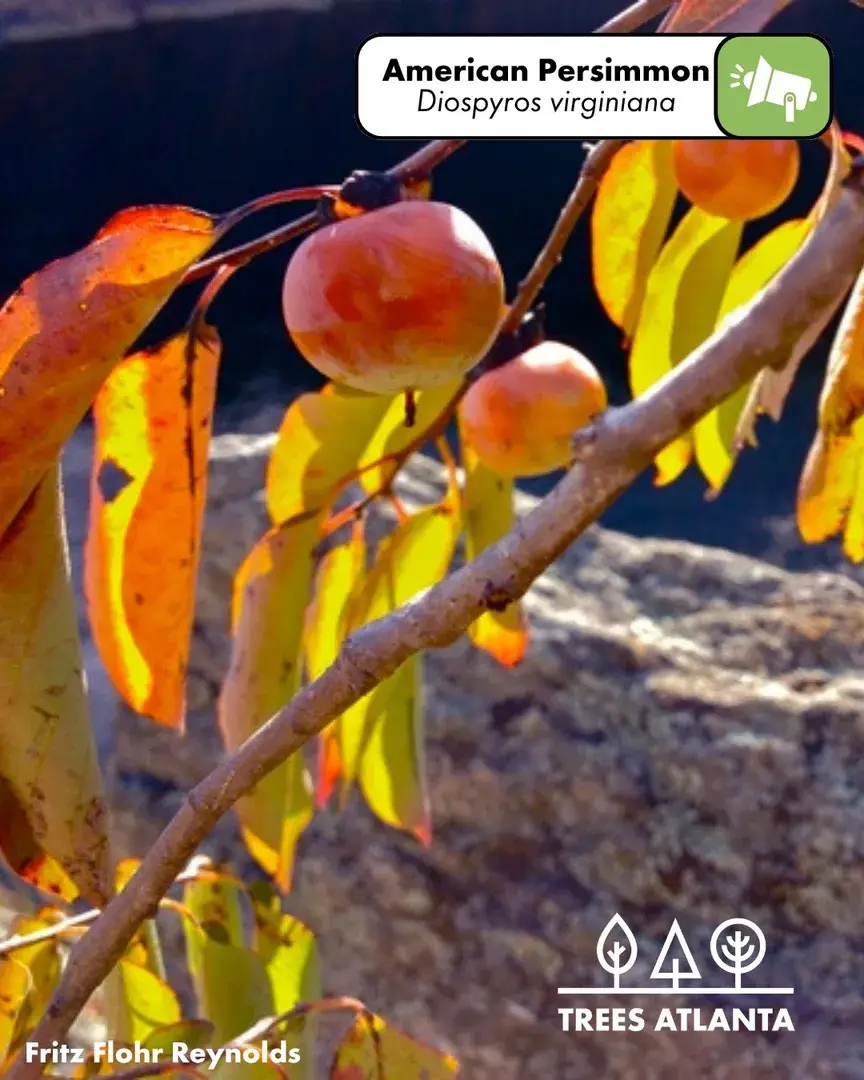
Trees Atlanta picks American persimmon as October Tree of the Month
The group says the fruit tastes somewhat like dates when fully ripe, but picked too soon it can be very astringent.

Runner WalkingDevine trains on the Beltline alongside his guide runners
The Atlanta Beltline says the runner finds a smooth, open space there to stay inspired and find community.
Southern Conservation Trust says turning off lights helps migrating birds
Millions of birds travel through Georgia at night each spring and fall, and home lights can draw them off course toward buildings.


