

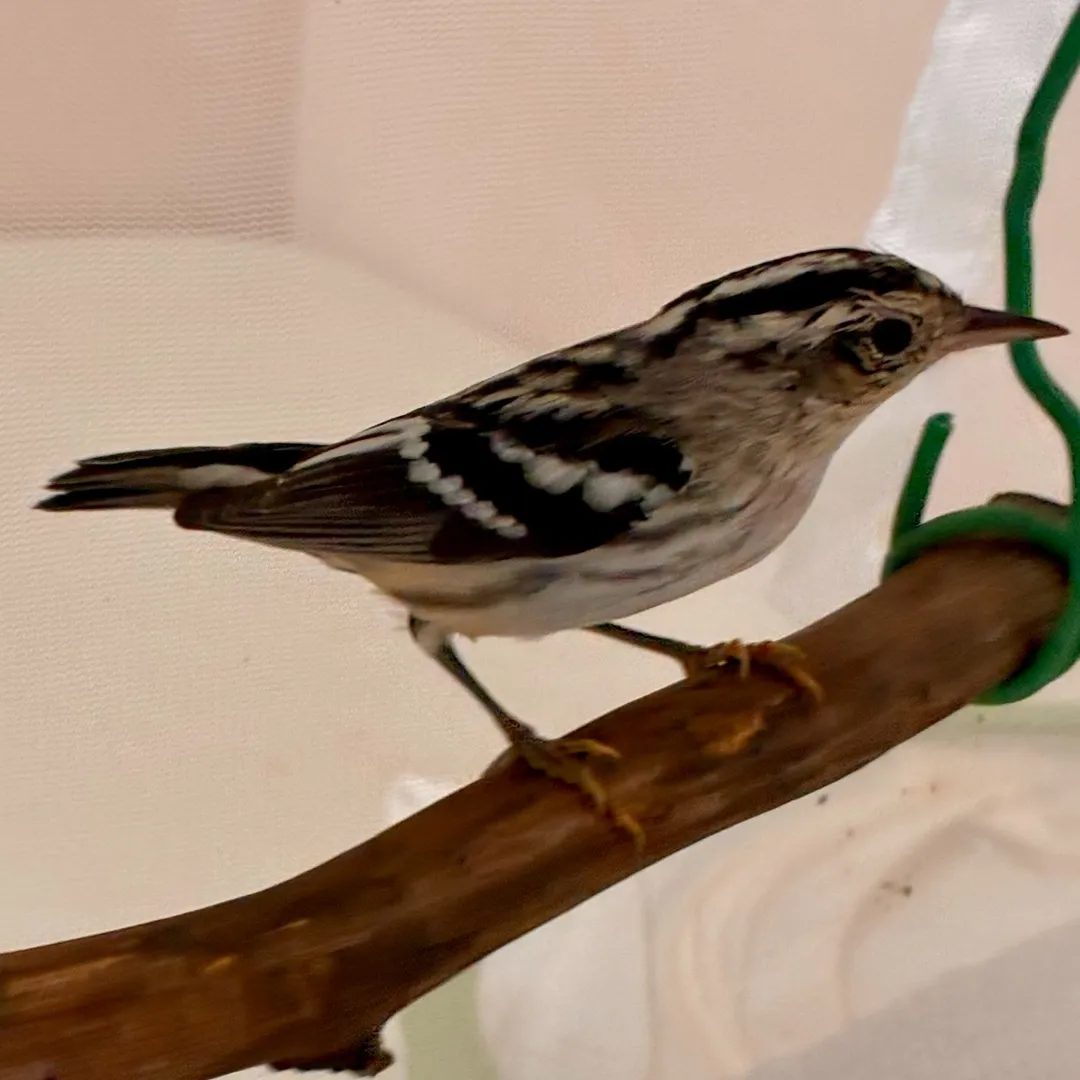
A window strike sent a warbler to Wild Nest Bird Rehab
With fall migration in high gear, the rehab suggests turning off nonessential lights at night and placing feeders within 3 feet of windows.
A Black and White Warbler arrived at Wild Nest Bird Rehab after a window strike collision. With fall migration in high gear, the rehab asks people to watch for unusual birds and window collision victims.
The rehab's tips: turn off nonessential lights at night during spring and fall migration so birds don't get disoriented, and place feeders within 3 feet of a window or more than 30 feet away.
Exterior window screens absorb impact and make glass visible, and decals or film on the outside of the glass break up reflections so birds see a solid barrier.
From Wild Nest Bird Rehab· Instagram · Sep 17
Open the post“This gorgeous Black and White Warbler arrived at our facility this week, a victim of a window strike collision. Fall migration is in high gear right now, so be on the lookout for unusual birds as well as window collision victims. How can you help prevent window strikes? 1. Turn off nonessential lights at night during spring and fall migration periods to keep birds from getting disoriented. 2. Place bird feeders either within 3 feet of the window (so they cannot build up high-speed impact) or more than 30 feet away. 3. Add exterior window screens, which absorb the impact and make glass clearly visible. 4. Make the outside surface of your glass visible to birds so they recognize it as a solid barrier. Apply decals or film to break up reflections. Check out these websites for window films that you can easily apply or windows if you are building a new home or structure: www.featherfriendly.com www.collidescape.org www.solargard.com www.vitroglazings.com #windowstrikeskillbirds #blackandwhitewarblersofinstagram #birdrehab #wildliferehab #wildlifeofinstragram”

What you can do
From Wild Nest Bird Rehab’s post, turned into news by Collective. Something wrong? Tell us
The social network for social good.
Wild Nest Bird Rehab posted, and Collective turned it into this story. Join to get the good news from the organizations around Atlanta, every day.
Sign upFree, and about a minute
More in Wildlife and nature
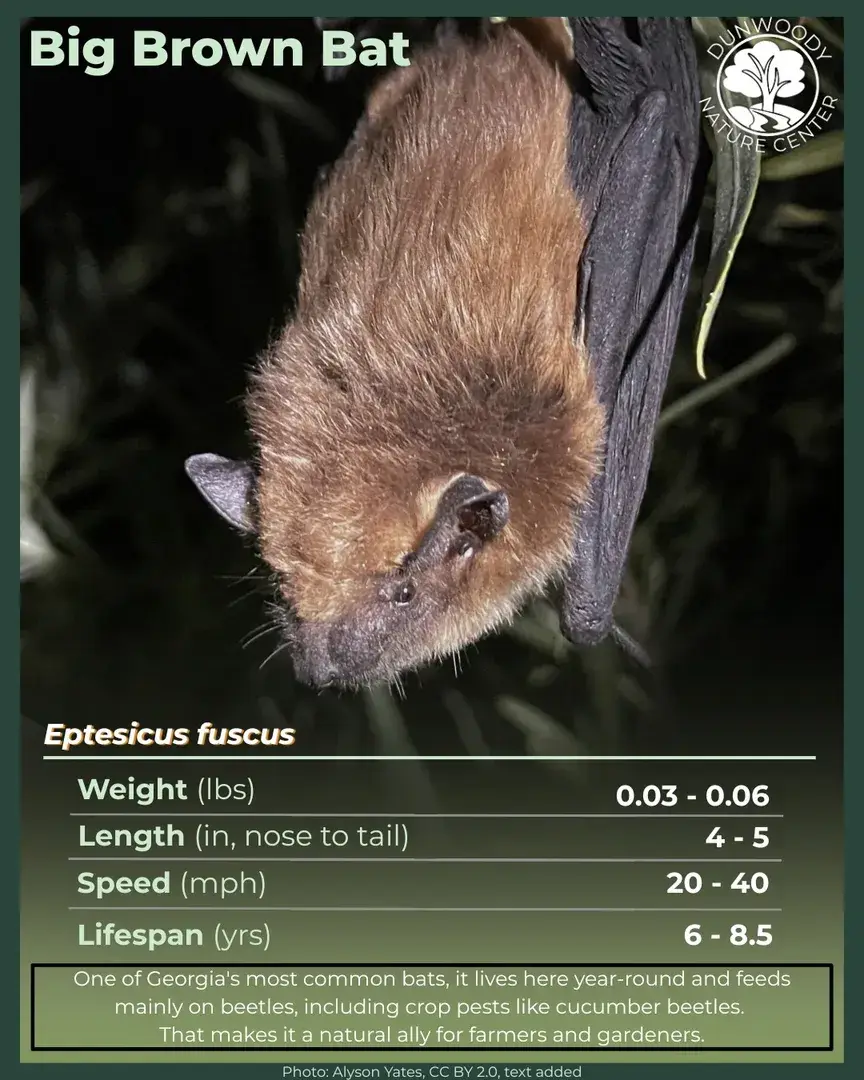
Dunwoody Nature Center says Big Brown Bats are natural pest control
One colony of 150 can eat enough cucumber beetles in a summer to prevent 33 million crop-damaging rootworm larvae, the center says.
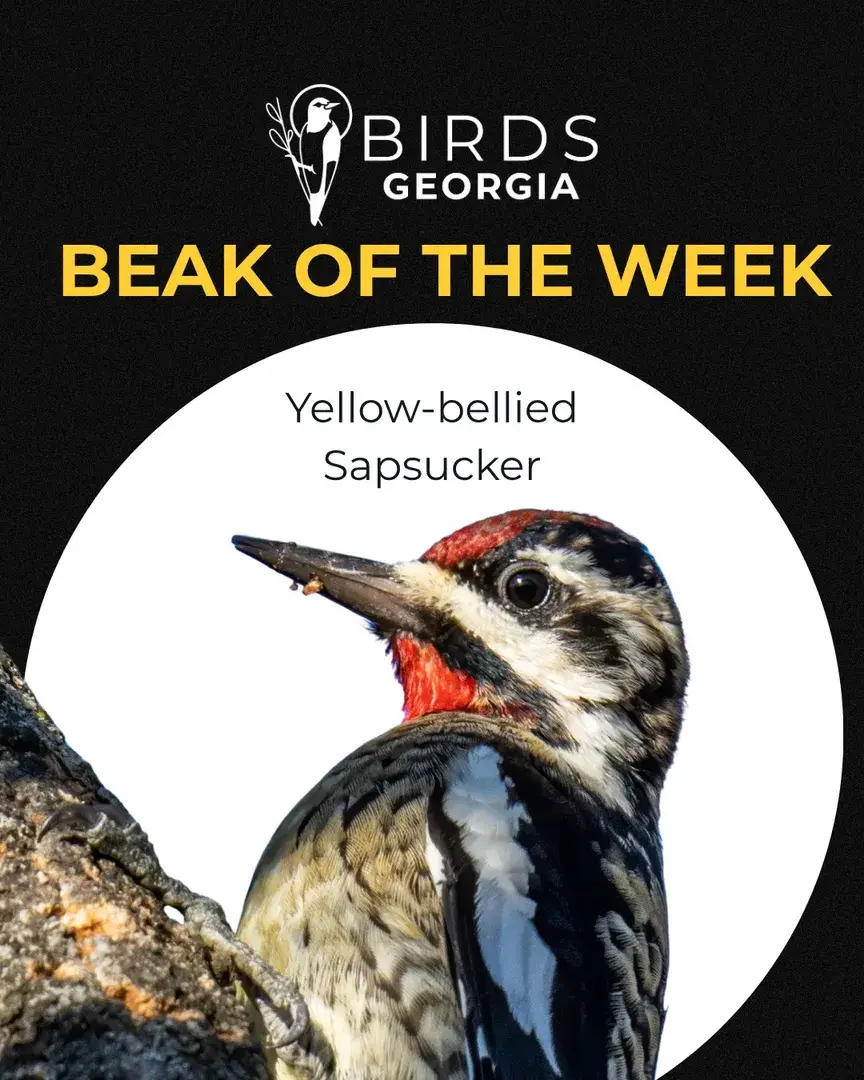
Birds Georgia spotlights the Yellow-bellied Sapsucker and its drilling bill
These woodpeckers visit Georgia in winter, generally arriving in October and staying through the spring, leaving neat rows of holes in bark.
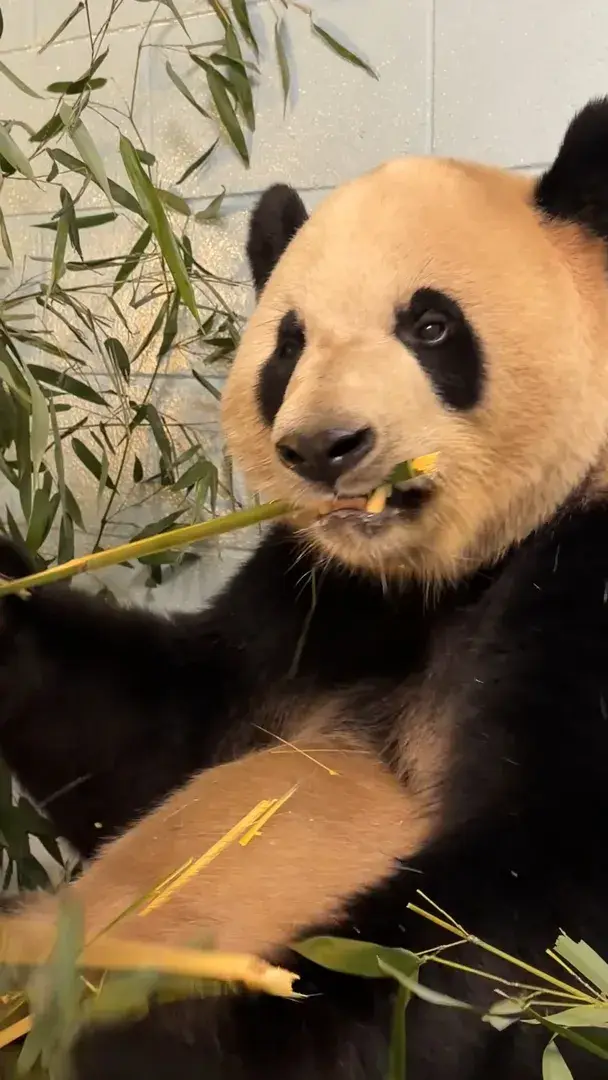
Zoo Atlanta's Ping Ping shows how pandas break up bamboo
The zoo says specialized jaw and skull structure adaptations are what allow giant pandas to handle bamboo with ease.
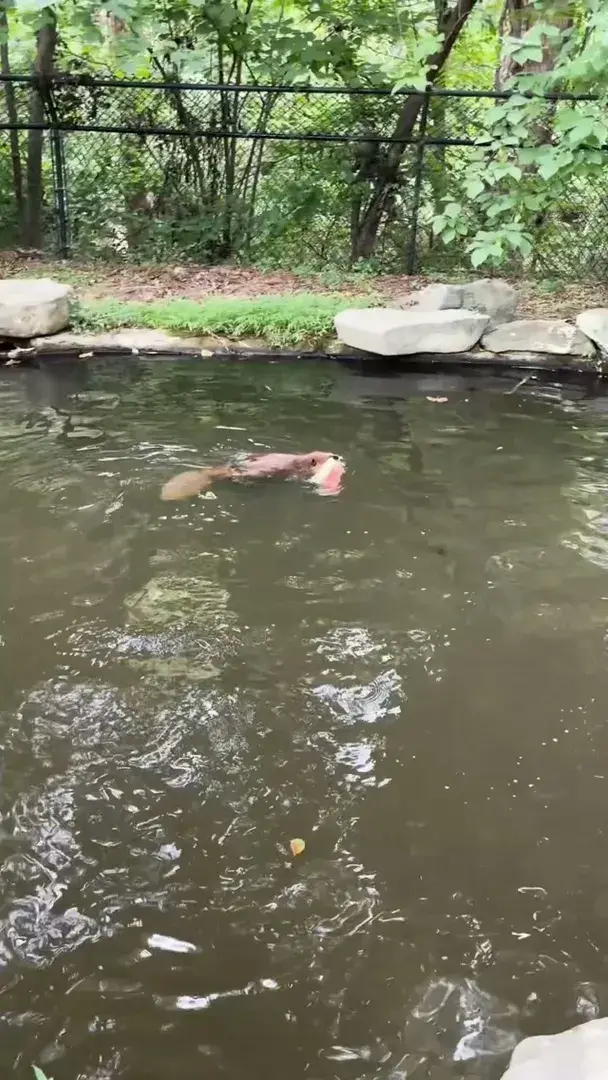
Chattahoochee Nature Center's beaver stashed a watermelon chunk for later
The treat gave sensory, food and cognitive enrichment, and the center says donors fund this care because the team cannot accept payment for rehabilitation.


