
For organizationsSee membershipFeatured by CollectiveThursday mornings: the organizations we feature and the best of Atlanta’s nonprofits, in one email.
City

Collective

  • Home
  • Stories
  • Discover
  • Explore
  • Events
  • Leaderboard
  • Search

Collections

  • Wildlife and nature
  • Animal shelters and rescues
  • Theater and dance
  • Rivers, parks and trails
  • Hunger and food
  • Schools and learning
  • Housing and homelessness
  • Community health

Account

  • Sign up
  • Sign in

For organizations

Collective learns your work, puts your story in front of the people who should see it, and connects you with the ones who will help you grow.

  • Intros
  • Features
  • A monthly ask
  • First notes

Every Profile stays free, member or not.

See membership
  • Home
  • Stories
  • Discover
  • Explore
  • Events
  • Leaderboard
For organizationsSign inSign up
  • Home
  • Stories
  • Discover
  • Explore
  • Events
  • Leaderboard
HomeStoriesDiscoverEventsSign up

Collective

  • Home
  • Stories
  • Discover
  • Explore
  • Events
  • Leaderboard

Cities

About

  • About Collective
  • For organizations
  • Privacy
  • Terms

© 2026 Collective

Dichotomous keys have long been the botanist’s most useful tool for plant identification, but what about for self-taught
North Carolina Botanical Garden

Nov 4

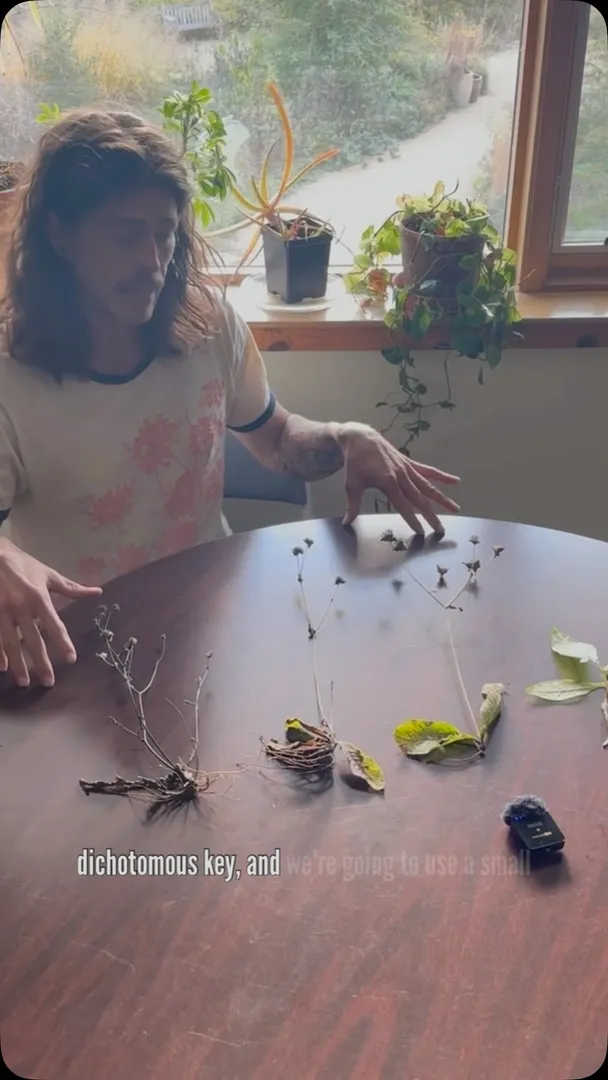
Dichotomous keys have long been the botanist’s most useful tool for plant identification, but what about for self-taught naturalists or gardeners? People can often feel overwhelmed by overly technical botanical jargon and can sometimes lose confidence while trying to “key out” plants. Join NCBG botanist and UNC-Chapel Hill Herbarium researcher Scott Ward as he walks us through a very basic key-writing example from a group of plants you may already know well: The Elephant’s Feet. #ncbotanicalgarden #Herbarium #DichotomousKey #botany #Elephantopus

More from North Carolina Botanical Garden

See all
Donate