

For organizationsSee membershipFeatured by CollectiveThursday mornings: the organizations we feature and the best of Atlanta’s nonprofits, in one email.
City

Collective

  • Home
  • Stories
  • Discover
  • Explore
  • Events
  • Leaderboard
  • Search

Collections

  • Wildlife and nature
  • Animal shelters and rescues
  • Theater and dance
  • Rivers, parks and trails
  • Hunger and food
  • Schools and learning
  • Housing and homelessness
  • Community health

Account

  • Sign up
  • Sign in

For organizations

Collective learns your work, puts your story in front of the people who should see it, and connects you with the ones who will help you grow.

  • Intros
  • Features
  • A monthly ask
  • First notes

Every Profile stays free, member or not.

See membership
  • Home
  • Stories
  • Discover
  • Explore
  • Events
  • Leaderboard
For organizationsSign inSign up
  • Home
  • Stories
  • Discover
  • Explore
  • Events
  • Leaderboard
HomeStoriesDiscoverEventsSign up

Collective

  • Home
  • Stories
  • Discover
  • Explore
  • Events
  • Leaderboard

Cities

About

  • About Collective
  • For organizations
  • Privacy
  • Terms

© 2026 Collective

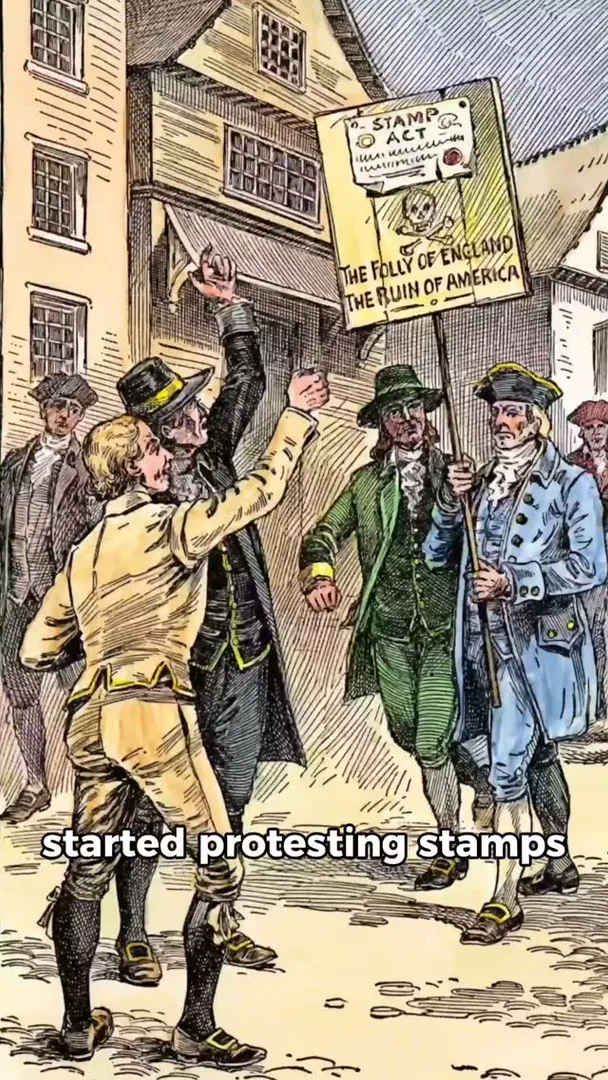
Why did the Stamp Act serve as a lightning rod for Patriot opposition in 1765? The Stamp Act became effective Nov. 1, 17
John Locke Foundation

Jul 28

Why did the Stamp Act serve as a lightning rod for Patriot opposition in 1765? The Stamp Act became effective Nov. 1, 1765, and was the first direct tax levied by the Crown. It was a tax on newspapers, insurance policies, licenses, ship’s papers, playing cards, and legal documents. Learn more at our #linkinbio.⁠ #ncpol #nc250

More from John Locke Foundation

See all
Donate